Where’s the Wealth in Health?
Trends Shaping the Indian Wellness Sector
By Abhishek Goenka and Mahalakshmi Reddy
Adversity often brings out the best in people and situations. While the wellness sector was on a healthy upward trend a couple of years ago, the pandemic gave it a much-needed push, and has brought about a change in the way people approach their health, food, and lifestyle.
Globally, the wellness industry is valued at over $1.5 trillion. With the rising acceptance, it is expected that India will become a global wellness hub, currently $13bn in size and growing 12% p.a. in the years to come.[1] The pandemic has also expanded the definition of wellness to cover physical, mental, intellectual, and emotional well-being. This holistic approach means wellness now includes an extremely wide range of products- from something as technical as a hyaluronic acid supplement to something as simple as a guided journal. With such incredible potential, it is interesting to deep dive into the macro and micro themes that are set to emerge as leading trends in the years to come.
Micro-Trends
Preventative Care
Lifestyle diseases have been on the rise over the past decade, thanks to an increased consumption of processed or adulterated food and decrease in physical activity. Multiple interesting companies are already solving for diabetes and PCOS- from platforms that offer holistic lifestyle solutions to smart devices to supplements.
Micro-nutrient deficiency and heart health are major concerns today. For context, around 76% of Indians suffer from Vitamin D deficiency, and it can't be fixed by diet alone2.
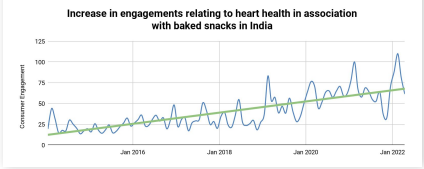
Source: Ai Palette report on Food and Beverage Trends in Asia 2022
The nutraceuticals market is growing and is now valued at INR 18,600 crore with expectations of reaching INR 48,300 crore mark in 2025 at a CAGR of 21%. Consumer awareness is propelling the sector forward, but, so far, the online retail of nutraceuticals has been less than 5% of the market. The global D2C nutraceuticals space has already seen many success stories like Goli and Olly. Goli has earned $300 million in revenue in the year 2020, and Olly was acquired by Unilever in 2019.
Oral care in an interesting category that fits into preventative care. The Indian oral care market has not seen any disruption for decades now. In the west, oral-care is seeing the same overhaul that personal care did a few years ago- small, honest, clean and innovative brands are gaining traction.
Burst, a US based oral-care start-up founded in 2016, raised around $20 million in funding so far. Willo, a French start-up that has raised $17 million so far, has introduced an extremely innovate hands- free smart toothbrush for kids. Clean toothpastes in a variety of flavours, plant-based mouth wash, electric toothbrushes, flossers, teeth whitening solutions are other innovations that global markets are currently seeing.
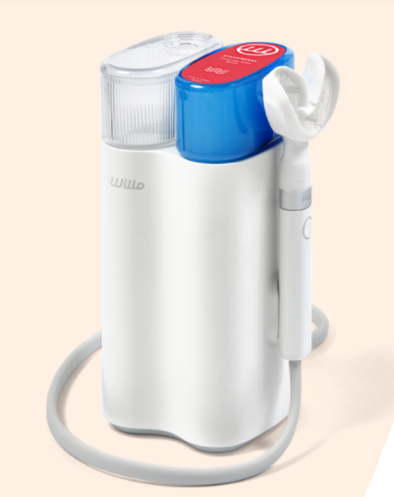
Willo's hands-free smart toothbrush
Because of the nature of these lifestyle disorders- there's a clearly defined and urgent problem, but it's not bad enough to take prescription medicines- it's a beautiful space for D2C brands to flourish.
This market in India today is at that perfect sweet spot: consumers are aware of the problem and are looking for solutions, but there aren't enough D2C players catering to them.
Mental Wellness and Brain Health
Being locked-up at home for months with limited human interaction has forced people to introspect and question if they're doing okay mentally. Consumers now realize that mental health is as important as physical health.
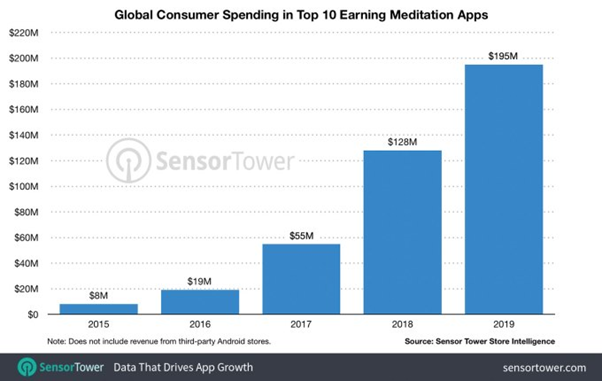
This realization has given rise to some incredible innovations in tech last year. Calm, a leading mental wellness app, has gone from generating $2 million in revenue in 2015 to $150 million in 2019. According to Tracxn, there are around 1220 companies globally in the online mental-wellness space. It is now D2C's time to shine in this space.
Adaptogens and Nootropics will grab the spotlight soon. Nootropics are ingredients that help enhance brain health, cognitive performance, and concentration. Adaptogens on the other hand help in reducing mental stress.
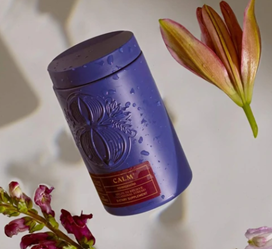

CBD is a star ingredient that catapulted to fame because of the focus on mental health. Last year saw global companies making everything with CBD- from tampons to marshmallows. The Indian market is still trying to figure out CBD given the taboo around the ingredient and the complexity when it comes to marketing it. The law has made its stance clear on legality, so it's only a matter of time before awareness spreads and it becomes a more widely used, accepted ingredient in India.
Global markets however are quite a few steps ahead- Microgenix is a company that is using micro-doses of psilocybin mushrooms for cognitive enhancement.
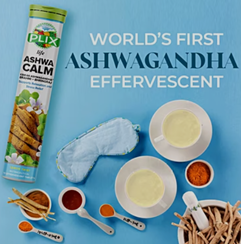
While India is stigmatized against potentially controversial ingredients, brands like Plix are solving these issues with ingredients that like Aswagandha, an Ayurvedic adaptogen that is rapidly gaining popularity in the west.
Sleep
Another result of our unhealthy lifestyle is deteriorated sleep quality and quantity. Magazines are now publishing celebrity “sleep routines”, so we know it's a pressing issue. Sleep-tech wearables have been around for a while now. These devices help track and analyse sleep, but actually improving sleep quality is a problem for D2C players to solve.
Since 2016, investors have pumped $1.9 billion into global companies focused on sleep technology and equipment, according to Crunchbase data.3
Bryte, a restorative sleep technology company, raised $24 million in series A funding in January 2021.
Ingredients like melatonin, chamomile, magnesium, L-Theanine and hemp- extracts are trending in this space. In India, consumer engagement relating to L-Theanine fortified beverages saw an 89% surge between November 2020 and October 20214. Some nutraceutical companies already have a supplement for sleep today, but companies going deeper, focusing purely on sleep and offering a plethora of products like essential oils, eye masks, pillows etc., along with a tech element, might crop up this year.
Sexual Wellness and Pleasure
Sex and conversations around pleasure are not a taboo anymore. Millennials and Gen Z realize the importance of sex education and the dearth of it in most education systems, and are open to learning and teaching. More importantly, fertility rates around the world are dropping at an alarming rate- urban fertility in India has fallen from 2.7 in 1992 to 1.6 children per woman in 20215, so it's now inevitable to talk about and solve for sexual wellness.
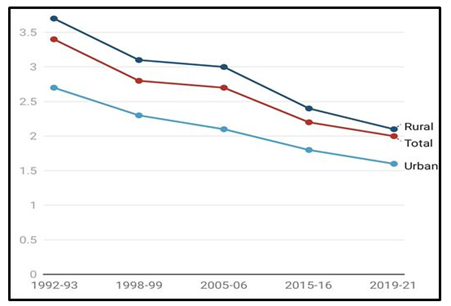
Indian Fertility Rate (children per woman). Source- India's 5th National Family Health Survey (2019-2021)
Start-ups all over the world are coming up with the most innovative ways to solve fertility issues. Babyndex is an Austria based start-up that uses saliva analysis to identify the fertile days of a woman's cycle. Legacy, a US based start-up that has raised $15 million in funding so far, offers sperm analysis and storage solutions while encouraging men to take part in the fertility conversation. Modern Fertility, which offers at-home fertility test kits and analysis, recently got acquired by Ro for more than $225 million.

Modern Fertility's At-home fertility test kit
A natural extension of sexual wellness is sexual pleasure. Brands and consumers are not shying away from talking about sexual pleasure. Globally, investors aren't shying away either- Maude, a sexual pleasure start-up based in New York, raised over $10 million in funding in June 2021.
Trust plays a huge role in building these brands. Currently, because of advertising restrictions and legal uncertainties in India, it is difficult for brands to be built.This also means there are good barriers to entry, and the first movers will have a great advantage.
Macro-trends
Clean, Transparent Nutrition
The penetration of internet has made consumers more aware than ever. Today, there are experts from every field imaginable educating users in 15 second videos. Doctor-influencers on Instagram are busting myths, breaking down and analysing ingredients, and directly engaging with users to address their concerns.
Users clearly want to know what's in their product, and why it's there. They also have the resources to educate themselves. Around 50% of consumers are more likely to buy a product if they recognize all the ingredients, and 44% are happy to pay a higher price for a product with recognizable ingredients.6
This is a huge bonus for honest brands, because it means consumers are more engaged and open to learning. Users appreciate brands that go out of their way to be transparent about their products and processes.
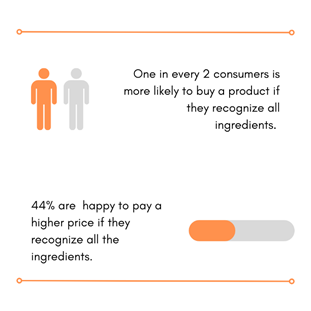
Source: Ingredient Commission's study conducted in September 2020
“Clean” has increasingly become a preference because chemicals are often associated with harmful side- effects in a consumer's mind. Clean label is a consumer-driven trend towards fewer and more natural ingredients.
India's intrinsic trust in natural products due to our Ayurvedic roots, combined with the global shift to plant-based for environmental and health reasons, means that animal products, artificial sweeteners, flavours, colours or preservatives are a big no.
Clean and transparent have gone from being a trend, to a movement, to now an absolute necessity.
Intersection of Tech and D2C
Tech might play a much bigger role than just that of an enabler in the wellness space going forward. A combination of an app and a set of products curated to solve very specific wellness problems will be a big trend. Most start-ups we have discussed here already use tech to do more than just selling: Willo has an app that tracks kids' oral health, and reminds them to brush every day. All the companies solving for fertility- Modern fertility, Babyndex and Legacy have an app that helps analyse results and track metrics.
Interestingly, Covid has made at-home tests a trend. At-home kits for Hormonal tests, allergy tests, pregnancy and fertility, vitamin levels, folic acid, heart health, and STDs are becoming incredibly popular.
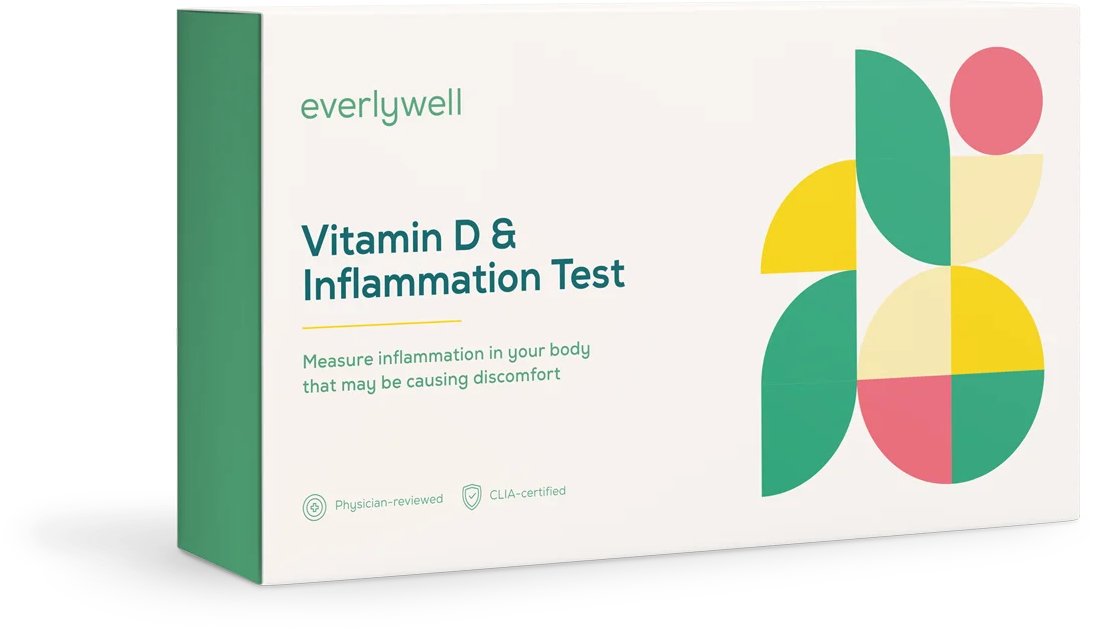
Everlywell's at-home test for Vitamin D
Everlywell, a US based company providing diagnostic kits for a variety of diseases, the results of which are delivered through their tech platform, has raised a whopping $330 million in funding so far.
There are tech and D2C companies solving for sleep and mental wellness separately, but it won't be long before we see an intersection here too.
Functionality
Consumers do not just pay for products any more, they pay for experiences. This becomes all the more important in the wellness space. Young consumers don't want to pop pills to solve problems, they want something that tastes great, is fun to consume, and is instagrammable, along with a product that actually works.
Gummies started the trend of making supplements cool again, but that's just the beginning. We moved on to effervescents, strips, sprays, to even chocolates and gum. There are two kinds of approaches- fun-to-consume vitamins that will replace pills, which brands like Plix, Power Gummies and Sugar Bear have already cracked, or better- for- you chocolates fortified with vitamins that hope to replace regular chocolate, which companies like Mighty Gum and The Functional Chocolate Company are trying crack.
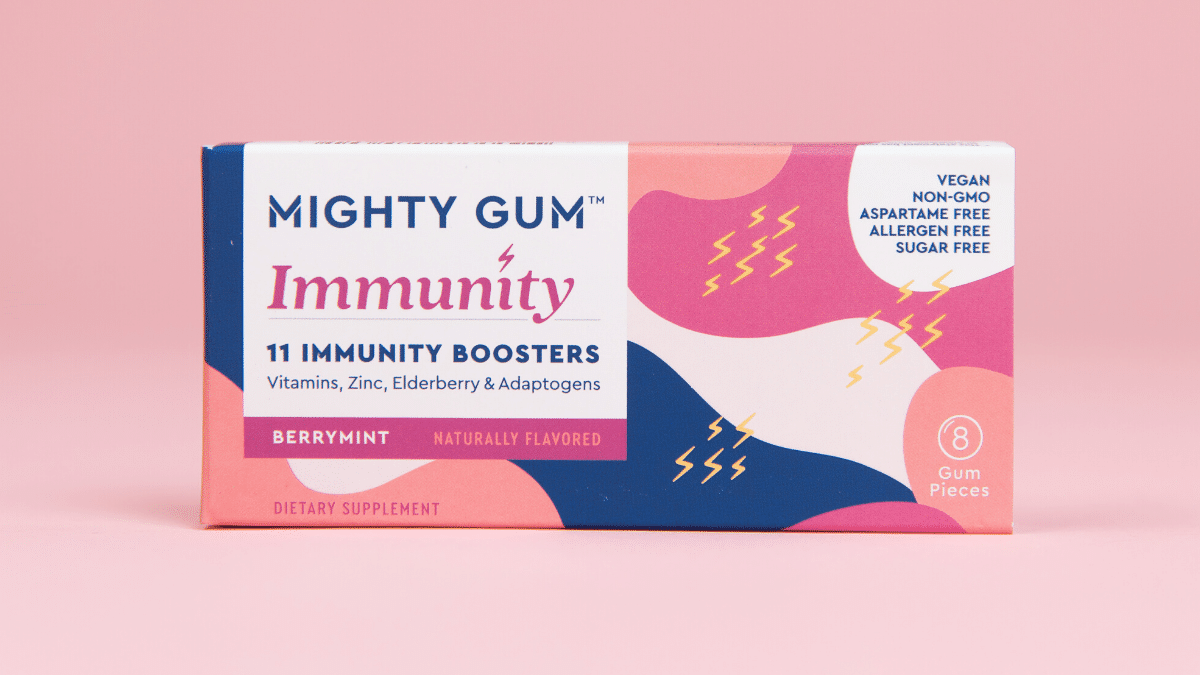
Mighty Gum's fortified chewing gum
Conclusion
Though the pandemic has been a catalyst in driving attention towards the wellness sector, the adoption of these practices in everyday life is going to continue well beyond the contagion. Majority of the consumers in all leading countries are now aiming to spend more time and money on wellness and nutrition. Whether it is clean eating, anti-aging products, plant-based food supplements, nutrition coaches, fruit beverages or mindfulness services, the wellness industry will see growth both in width and depth, which means Health is Wealth, quite literally!
About RPSG Capital Ventures
RPSG Capital Ventures is an early-stage consumer VC fund focused on investing in the Indian D2C ecosystem across F&B, beauty, health & wellness, entertainment, lifestyle goods segments. Established in 2018, RPSG Capital Ventures works to be the value-adding ally of exceptional entrepreneurs looking to transform the Indian consumer landscape. Read more about us at https://rpsgcapital.vc